


Digital transformation isn’t just about new technology — it’s about making systems work better together. This article explores practical ways to navigate change, reduce complexity, and build solutions that support real business operations.
Digital transformation is one of those phrases that sounds exciting until you’re in the middle of it. For many businesses, it brings equal parts opportunity and frustration. Systems don’t talk to each other, processes feel more complicated than before, and teams struggle to adapt to new ways of working.
The challenge isn’t technology itself — it’s how technology fits into the reality of running a business.

Understanding What Digital Transformation Really Means
Digital transformation isn’t about adopting the latest trend or rebuilding everything from scratch. At its core, it’s about improving how information flows, how decisions are made, and how people interact with your business.
When transformation efforts fail, it’s often because technology was added without a clear understanding of the underlying processes it was meant to support.
Fragmentation Is the Most Common Roadblock
One of the biggest challenges businesses face is fragmentation. Over time, tools get added to solve individual problems — scheduling in one place, customer data in another, communication somewhere else.
Each system may work on its own, but together they create gaps, duplicate work, and missed opportunities. Digital transformation should reduce friction, not introduce more of it.
The goal is cohesion — fewer moving parts, clearer workflows, and shared visibility across the business.
Technology Must Support Real Workflows
A system is only effective if it fits how people actually work. Too often, businesses are forced to adapt their processes to the limitations of the tools they’ve adopted.
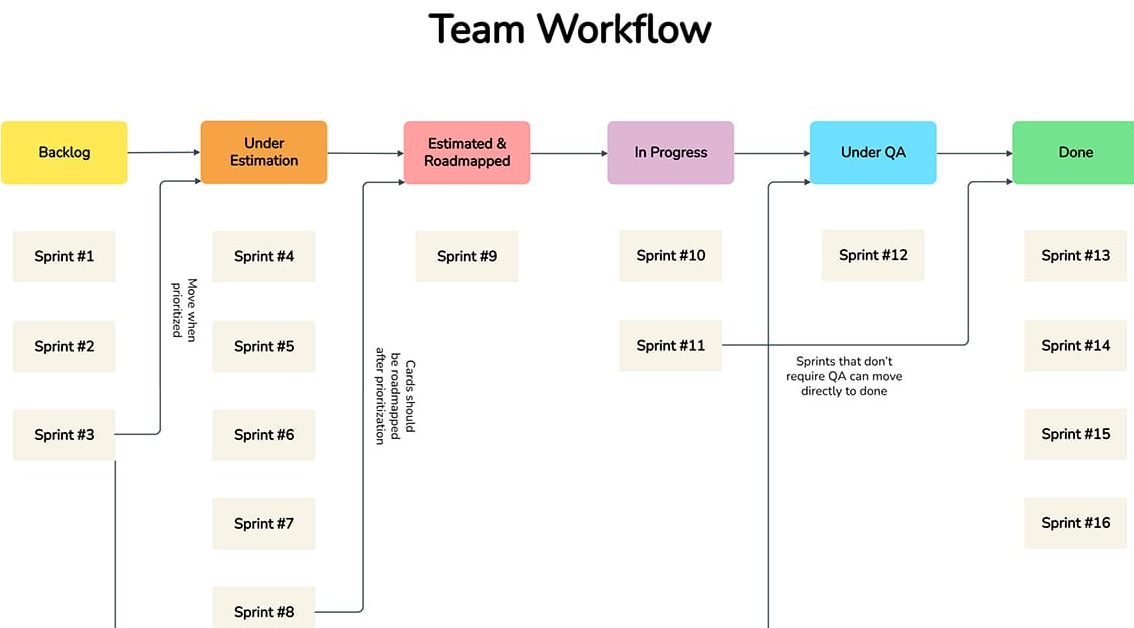
Successful transformation starts with observing reality:
-
How does work actually get done today?
-
Where does information break down?
-
What slows people down or causes mistakes?
Technology should support these workflows naturally, not force teams into rigid or unintuitive patterns.


Adoption Matters More Than Features
Even the most powerful systems fail if they aren’t used consistently. Adoption isn’t about training once and hoping for the best — it’s about clarity, simplicity, and ongoing refinement.
When teams understand why a system exists and how it helps them do their jobs better, adoption becomes far more natural. Transformation succeeds when systems feel helpful instead of burdensome.
Transformation Is an Ongoing Process
There is no finish line. Digital transformation evolves as your business grows, your clients change, and new needs emerge.
Rather than aiming for perfection, successful businesses focus on adaptability — building systems that can grow, adjust, and improve over time without requiring constant reinvention.



The Real Measure of Success
The success of digital transformation isn’t measured by how advanced the technology is, but by how clearly it improves daily operations. Reduced manual work, better communication, clearer data, and smoother client experiences are the real indicators of progress.
When technology quietly supports the business instead of demanding attention, transformation is working.
A Final Thought
Digital transformation doesn’t have to be disruptive or overwhelming. When approached thoughtfully, it becomes a process of simplification — bringing clarity to complexity and turning disconnected efforts into cohesive systems that support long-term growth.
That’s where real transformation happens.